


Fabric Glue | Permanent & Washable Adhesives for All Projects
Our permanent fabric glue creates bonds that withstand repeated washing and drying without stiffening or cracking. This clear-drying formula works on cotton, polyester, denim, felt, and blended fabrics for hem repairs, appliqué work, and decorative embellishments.
The precision tip gives you control for intricate detail work or broader coverage on larger surface areas. We designed this adhesive for crafters who need professional results without sewing — the flexible finish moves with fabric naturally and remains invisible after curing.
What makes our fabric glue different
When to Choose Fabric Glue Over Sewing
Fabric glue at Joann’s offers no-sew solutions for projects where stitching isn’t practical or preferred. Use permanent adhesives for hem repairs on dress pants and skirts when you need invisible fixes that survive the wash. Temporary formulas work beautifully for basting quilt layers before machine quilting or positioning appliqués before final attachment.
We see crafters choose fabric glue for embellishment work — securing sequins, rhinestones, and patches without visible thread lines. Costume designers rely on fast-drying adhesives for last-minute repairs and quick construction when time doesn’t allow for hand or machine sewing. The same techniques that simplify complex crafts projects apply equally to functional garment repairs and decorative fabric art.
Application Techniques for Best Results
Apply fabric glue in thin, even layers to prevent stiffness and excess bleeding through fabric weave. We recommend testing on scrap fabric first to confirm drying time and flexibility match your project needs. Place adhesive on one surface only, then press firmly for 30-60 seconds to establish initial contact.
For hem repairs, fold the fabric edge to the desired finished length and run a thin bead along the fold line approximately 1/8 inch from the edge. Press the hem flat with your fingers or a clean pressing tool, working from center outward to eliminate air bubbles. Allow full cure time before wearing or laundering — most formulas need 24 hours despite feeling dry to touch within hours.
Care Instructions for Glued Fabrics
Machine wash garments with fabric glue bonds in cold or warm water using standard detergent — the cured adhesive resists breakdown from surfactants and agitation. Turn items inside out to minimize surface abrasion during the wash cycle. We recommend air drying or low tumble heat for the first three washes to ensure complete cure throughout the bond line.
Dry cleaning is safe for most permanent fabric adhesives after full cure, though you should inform your cleaner about glued areas to avoid harsh spot treatments that might affect adhesive performance. Store bottles tightly capped in cool, dry locations away from direct sunlight — heat and UV exposure degrade uncured adhesive in the bottle.
More Adhesives & Bonding Solutions for Your Fabric Projects

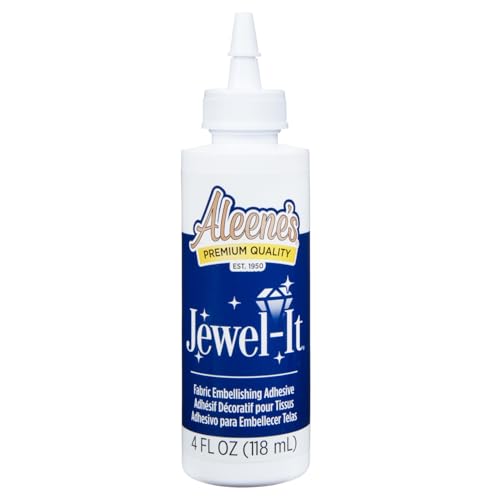


Rated 4.8 by verified buyers

Common Questions About Fabric Glue
Yes, our water-based fabric glues including Aleene's Fabric Fusion and Dritz Unique Stitch carry non-toxic certifications and are safe for children's garments after full curing. These formulas meet ASTM safety standards for craft adhesives and won't irritate skin during wear.
Allow 24 hours of cure time before wearing glued items and wash once before initial use to remove any surface residue. Always check individual product labels for age recommendations on application — some solvent-based formulas require adult supervision due to fume exposure during use.
Permanent fabric adhesives from our selection withstand machine washing in cold or warm water and tumble drying on medium heat after complete curing. Wait 24-48 hours after application before the first wash to ensure full bond strength develops.
Turn garments inside out during washing to minimize abrasion on glued areas. We recommend air drying for the first 2-3 washes to guarantee the adhesive reaches maximum durability. Temporary or washable formulas may release during laundering if not heat-set according to package instructions.
Beacon Fabri-Tac provides the strongest initial grab and permanent hold for heavyweight fabrics like denim, canvas, and upholstery material. The solvent-based formula penetrates dense weaves better than water-based options and creates industrial-strength bonds within seconds of application.
For heavy repairs that need maximum flexibility, Aleene's Fabric Fusion offers excellent performance on thick fabrics while maintaining a softer finish. Apply slightly more adhesive on heavyweight materials than you would on cotton or polyester and allow extended cure time for full strength development.
Apply thin, controlled lines of adhesive rather than flooding the area — a little fabric glue spreads significantly when pressed. Use precision-tip applicators to place glue exactly where needed without excess that can bleed through fabric weave.
Test your chosen formula on fabric scraps first to gauge absorption and drying characteristics. Place wax paper or a non-stick pressing sheet behind single-layer fabric during application to catch any bleed-through. Allowing proper dry time before pressing or handling prevents glue from spreading beyond intended bond areas.
Permanent fabric adhesives cure to create bonds that survive repeated washing, drying, and wear without releasing. These formulas like Aleene's Fabric Fusion and Beacon Fabri-Tac provide long-term holds for repairs, hems, and embellishments that need to last the life of the garment.
Temporary or repositionable glues maintain a tacky state that allows removal or adjustment within project timelines. Dritz Unique Stitch functions as temporary until heat-set with an iron, giving you positioning flexibility before committing to permanent placement. Choose based on whether you need permanent attachment or the option to reposition or remove elements later.
Fabric glue excels at specific applications but doesn't replace structural sewing for high-stress seams or load-bearing construction. Use adhesives for hems, appliqués, embellishment attachment, and repairs where stitching isn't visible or practical.
Sewing provides superior strength for garment seams that endure repeated stress and stretching during wear. We recommend fabric glue for decorative work, quick fixes, and situations where hand or machine sewing would be visible or damage delicate materials. Many successful projects combine both techniques — glue for positioning and initial hold, with strategic stitching for structural integrity.
Unopened fabric adhesive bottles typically remain effective for 2-3 years when stored at room temperature away from temperature extremes and direct sunlight. After opening, most formulas maintain performance for 12-24 months with proper storage and tight cap closure after each use.
Discard bottles that develop thick, stringy texture, strong chemical odors beyond normal product scent, or separated layers that won't remix. Clogged nozzles don't indicate expired product — clear blockages with a straight pin and wipe tips clean after use to prevent future issues. Date bottles when opened to track age and performance across projects.