


Safety Eyes for Amigurumi & Plush Toys | Joann
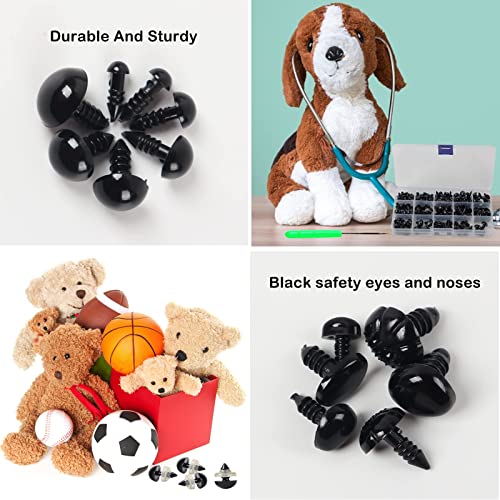
Our safety eyes give your handmade plush toys and amigurumi characters personality and durability that lasts through years of play. Each eye features a professional locking washer system that secures firmly to crochet, knit, or fabric surfaces without adhesive.
Designed for crafters who create stuffed animals, dolls, and soft toys for children, these eyes meet safety standards with rounded edges and secure attachment. The black plastic construction resists fading and maintains its glossy finish through repeated handling and gentle washing. Available in multiple size options, from tiny 6mm eyes perfect for miniature amigurumi to larger 15mm eyes for full-size plush animals.
What makes our safety eyes secure
Safety Standards & Construction Quality
We design our safety eyes specifically for handmade toys that will be handled by children, which means every component meets rigorous safety requirements. The rounded shank design eliminates sharp edges that could scratch fingers or fabric during installation. The locking washer system creates a permanent mechanical bond that won’t loosen with repeated play, tugging, or washing.
Unlike glued-on eyes or button alternatives, safety eyes Joann carries feature a two-part construction where the post passes through your fabric and locks with a ridged washer on the back side. This creates a secure attachment that distributes stress across the entire washer surface rather than a single point. The high-impact plastic withstands drops, squeezing, and the enthusiastic play patterns children bring to their favorite stuffed companions.
Sizing Guide & Placement Tips
Choosing the Right Eye Size
The diameter you select dramatically impacts your finished character’s proportions and expression. For palm-sized amigurumi (3-4 inches tall), 6mm or 8mm eyes create appropriate scale without overwhelming the face. Standard stuffed animals (8-12 inches) look best with 10mm or 12mm eyes, while large plush toys and pillow-sized projects benefit from 15mm eyes that remain visible from across a room.
Smaller eyes positioned closer together create a cute, innocent expression perfect for baby animals and kawaii-style characters. Larger eyes spaced wider apart give your creation a mature, alert appearance suitable for realistic animal replicas or fantasy creatures.
Compatible Projects & Creative Applications
Our safety eyes transform simple crochet and sewing projects into professional-quality finished pieces across every skill level. Amigurumi makers working with worsted weight yarn find the 8-10mm sizes integrate seamlessly with standard stuffed animal patterns, while thread crochet artists appreciate how 6mm eyes suit miniature designs without adding bulk.
Beyond traditional stuffed animals, safety eyes add personality to decorative pillows, keychains, zipper pulls, and holiday ornaments. Many of the craft projects in our pattern library incorporate safety eyes as essential finishing details that elevate handmade items from simple fabric shapes to expressive characters.
Complete Your Amigurumi & Plush Toy Supplies


Rated 4.8 by verified buyers

Safety Eyes Questions & Answers
Always install safety eyes before stuffing your amigurumi or plush toy. Once you add stuffing, you won't have access to the interior where the locking washer needs to attach. We recommend completing the head or body piece to the point where eye placement is clear, installing the eyes, then continuing with stuffing and closing.
For the most secure installation, mark your eye placement with stitch markers or pins first to ensure even spacing and proper positioning before making permanent holes in your work.
Once a safety eye washer locks into place, it creates a permanent attachment that cannot be removed without damaging your project. The ridged washer design is intentionally difficult to detach to prevent accidental removal during play.
This is why we strongly recommend testing placement with pins before installing safety eyes. If you do need to remove an installed eye, you'll need to cut the post from the back side, which will leave a hole in your fabric that requires repair or strategic repositioning of the replacement eye.
For typical amigurumi made with worsted weight yarn (3-5 inches tall), 8mm or 10mm safety eyes Joann offers create balanced proportions. Smaller projects like keychain-sized animals (2-3 inches) work best with 6mm eyes, while larger stuffed animals (8-12 inches) look better with 12mm or 15mm eyes.
The general guideline is that eyes should be visible and expressive but not overwhelm the face. When in doubt, test different sizes by holding them against your work before installation, as you cannot change sizes once the washer locks.
Yes, properly installed safety eyes withstand regular machine washing on gentle cycles and low-heat tumble drying. The plastic construction won't rust, fade, or deteriorate with repeated laundering.
We recommend placing handmade toys in mesh laundry bags to protect them during the wash cycle. The locking washer holds securely through normal washing, but extremely high agitation or heat may stress the fabric around the installation point over time. Air drying extends the life of both the eyes and your handmade project.
Safety eyes work equally well on crochet, knit, and woven fabrics including fleece, felt, minky, and cotton. For woven or non-stretch fabrics, make a small pilot hole with an awl or large tapestry needle to guide the post through cleanly without fraying.
The locking washer distributes pressure across the back of your fabric regardless of construction method, creating a secure hold on any material thick enough to support the washer. Very thin or delicate fabrics may require reinforcement with a small felt circle behind the washer.
Our colored safety eyes collection is priced slightly higher than classic black eyes due to the detailed iris and pupil design. The colored variety includes realistic multi-tone printing that adds visual depth and expression to your characters.
Both options feature the same secure locking washer system and durable construction. Many crafters keep both types in their supply stash, using black eyes for most projects and colored eyes for special pieces where realistic animal features or extra personality enhance the design.
Puckering usually occurs when the post is forced through fabric that's pulled too tight or when the washer doesn't seat flush against the back surface. To prevent this, gently stretch the fabric area where you'll install the eye so there's slight slack, then push the post through perpendicularly to the surface.
Once the post is through, hold the eye firmly from the front while pressing the washer straight onto the post from the back. The washer should snap into the locking position without requiring excessive force. If fabric bunches behind the eye, you may need to work with a slightly looser fabric tension in that area during your crochet or sewing.