

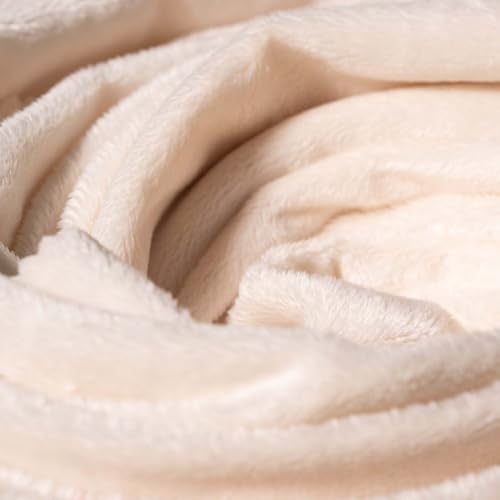


Minky Fabric – Luxurious Plush Fabric for Blankets, Apparel & Crafts
Our solid minky fabric delivers cloud-like softness in every yard. This premium plush polyester is woven with ultra-fine fibers that create a velvety nap on one side and a smooth backing on the other, making it ideal for baby blankets, quilt backing, and apparel projects where comfort is essential.
We offer minky in dozens of rich, fade-resistant colors that coordinate beautifully with quilting cottons and patterned prints. The fabric drapes gently without stiffness, and the dense pile retains its loft through repeated washing. Whether you’re crafting a weighted blanket, sewing a plush robe, or backing a handmade quilt, our minky provides the perfect balance of structure and softness for projects that demand luxury.
Fabric specs & yardage details
What Makes Minky Fabric Unique
Minky fabric stands apart from traditional fleece and velour through its ultra-fine polyester fibers and specialized knitting process. We produce minky with a tight knit base that supports a dense, short pile on the surface, creating exceptional softness without the bulk of sherpa or the cling of microfiber fleece.
The fabric’s structure allows it to drape naturally while maintaining body, which means your projects hold their shape without feeling stiff. Unlike cotton flannel, minky doesn’t pill with wear, and the synthetic fibers dry quickly after washing. This makes minky especially practical for items that need frequent laundering, like baby blankets and pet bedding.
Sewing & Care Instructions for Minky Projects
Best Practices for Cutting & Sewing
Cut minky fabric with the pile running in one consistent direction across all pieces—you’ll see a slight color shift if you reverse the nap direction. Use sharp scissors or a fresh rotary blade, and cut through a single layer whenever possible to prevent shifting. We recommend adding extra seam allowance since minky’s bulk can make narrow seams unreliable.
Sew with a ballpoint or stretch needle in size 90/14, and lengthen your stitch to 3.0-3.5mm to avoid puckering. A walking foot prevents the top layer from creeping ahead of the bottom layer as you stitch. Lower your presser foot pressure if your machine allows it, and consider using lightweight pins or clips rather than traditional straight pins, which can leave visible holes in the pile.
Popular Project Ideas Using Minky Fabric
Baby Blankets & Nursery Items
Minky’s softness and durability make it the top choice for baby blankets, receiving blankets, and crib quilt backing. The fabric is gentle against sensitive skin and stands up to the frequent washing new parents need. We see customers pair printed minky fronts with solid minky backs for reversible blankets that work with any nursery theme.
Burp cloths, changing pad covers, and boppy pillow covers all benefit from minky’s quick-dry properties and plush comfort. The fabric’s low-shed construction means less lint around baby gear, and the synthetic fibers don’t harbor dust mites the way natural textiles can.
More Plush Fabrics & Coordinating Materials


Rated 4.8 by verified buyers
Minky Fabric Questions & Answers
We recommend a ballpoint or stretch needle in size 90/14 for sewing minky fabric. The ballpoint tip slides between the knit fibers rather than piercing them, which prevents snags and holes in the pile.
Use a longer stitch length of 3.0-3.5mm and reduce your presser foot pressure if your machine allows it. A walking foot or even-feed foot helps manage the fabric’s thickness and prevents the layers from shifting as you sew.
Yes, minky works beautifully for apparel projects where comfort is the priority. We see customers use minky for robe linings, jacket interiors, pajama pants, and baby clothing items like hooded towels and sleep sacks.
Keep in mind that minky has some stretch across the width but minimal lengthwise give, so choose patterns designed for knit fabrics or add wearing ease if adapting a woven pattern. The fabric’s bulk works best in loose-fitting garments rather than fitted styles.
Some shedding is normal when you first cut minky fabric, but using sharp tools minimizes lint. Cut with a fresh rotary blade or sharp scissors, and work in a single layer when possible to reduce friction.
The initial shedding decreases significantly after the first wash. During sewing, keep a lint roller nearby to clear your work surface and sewing machine bed. Once your project is complete and laundered, shedding becomes minimal with proper care.
Solid minky has a smooth, even pile across the entire surface, creating uniform softness and color. Dimple minky features an embossed dot texture that adds tactile dimension while maintaining the same plush feel.
The dimple texture creates visual interest and encourages sensory exploration, making it popular for baby gifts and therapeutic blankets. Both types have the same care requirements and work for the same project types—the choice comes down to whether you prefer smooth or textured appearance.
For a standard 30×40-inch baby blanket, purchase 1.25 yards of minky fabric. This allows for a finished blanket plus seam allowances and binding if needed.
Our minky is 58-60 inches wide, which means you can create generous blankets without piecing. For larger receiving blankets (40×40 inches), plan for 1.5 yards. If you’re making a two-sided minky blanket, double your yardage or purchase coordinating prints and solids for variety.
You can choose either approach depending on your project. Pre-washing minky removes any manufacturing residue and completes the initial shedding before you cut, but it can make the fabric slightly more challenging to cut cleanly if pile fibers become tangled.
If you pre-wash, use cold water on a gentle cycle and tumble dry on low. Smooth the fabric and allow it to relax flat for a few hours before cutting. Many sewers skip pre-washing for minky since polyester doesn’t shrink significantly, then wash the finished project to remove construction lint.
Printed minky shines as the focal fabric in simple projects where the design is the star—baby blankets, pillowcases, and receiving blankets where you want pattern without additional piecing. The prints add personality without requiring complex construction.
Solid minky is more versatile for quilt backing, apparel linings, and projects where you’re combining multiple fabrics. Solids coordinate effortlessly with printed cottons and other textiles, allowing the minky to provide texture and comfort while other fabrics deliver pattern.