


Upholstery Fabric Collection | Joann
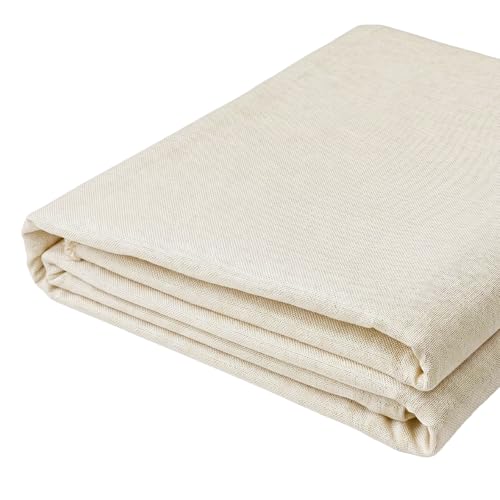
Our performance linen upholstery fabric combines the luxe texture of natural linen with advanced stain-resistant technology. Perfect for high-traffic furniture like sofas and dining chairs, this 54-inch-wide fabric resists spills, fading, and everyday wear.
We engineered this collection for busy households who refuse to compromise on style. The tight weave and reinforced backing provide 30,000+ double rubs for commercial-grade durability, while the soft hand feel maintains the comfort you expect from premium linen.
What makes our upholstery fabric different
Fabric Construction & Durability Standards
Every Joann upholstery fabric meets rigorous durability benchmarks before it reaches our shelves. We test each style for abrasion resistance using the Wyzenbeek method, which measures how many times a fabric can withstand rubbing before showing wear. Our residential upholstery fabrics achieve 15,000 to 30,000 double rubs, while contract-grade options exceed 100,000 double rubs for commercial environments.
The weave structure determines how well fabric holds up under tension and stress. Plain weaves like our cotton duck provide uniform strength in all directions, making them ideal for tight upholstery where the fabric stretches over curved surfaces. Jacquard weaves create dimensional patterns with extra reinforcement at stress points. We reinforce the backing on performance fabrics with acrylic or latex coatings that prevent fraying and add dimensional stability during installation.
Stain Resistance & Care Instructions
Our performance upholstery fabrics feature factory-applied stain repellents that cause liquids to bead on the surface rather than soaking into fibers. This finish works on water-based spills like coffee and juice as well as oil-based substances like salad dressing and makeup. Blot spills immediately with a clean cloth—never rub, which pushes stains deeper into the weave.
For routine maintenance, vacuum upholstered furniture weekly using the brush attachment to remove dust and prevent it from embedding in the pile. Spot-clean stains with a solution of mild dish soap and water, testing in an inconspicuous area first. Our outdoor fabrics tolerate bleach-based cleaners for tougher mildew or organic stains, but always rinse thoroughly to remove cleaner residue.
Choosing the Right Weight & Texture
Fabric weight, measured in ounces per square yard, indicates how heavy and durable the material feels. Lightweight upholstery fabrics (7-10 ounces) work best for slipcovers, decorative pillows, and chair backs where drape and flexibility matter more than structure. Medium-weight fabrics (12-16 ounces) suit most residential furniture including dining chairs, ottomans, and cushions that see moderate daily use.
Heavy upholstery fabrics (17+ ounces) provide the structure needed for tight-back sofas, firm seat cushions, and commercial seating that must withstand constant use. Our 17-ounce velvet maintains its shape on seat cushions that would crush lighter-weight pile fabrics. The density also prevents the batting or foam beneath from showing through, which can happen with thin decorator fabrics not designed for upholstery.
More Designer Upholstery Fabrics


Rated 4.8 by verified buyers

Upholstery Fabric Questions
A standard three-cushion sofa typically requires 12 to 16 yards of 54-inch-wide upholstery fabric, depending on the style and whether you’re covering the back and sides. Sofas with skirts, tufting, or pattern matching need additional yardage.
Measure each section of your sofa separately—seat cushions, back cushions, arms, front panel, and back panel. Add all measurements together, multiply by 1.5 to account for tucking and waste, then add 15% for errors. Bring your measurements to our store and our associates can help calculate the exact amount you need for your specific piece.
Only fabrics specifically labeled as outdoor or marine-grade should be used on exterior furniture. Our outdoor upholstery fabric collection features solution-dyed acrylics with UV inhibitors and water-resistant finishes that withstand sun, rain, and humidity without fading or mildewing.
Indoor upholstery fabrics lack these weather-resistant treatments and will fade, rot, or develop mildew when exposed to outdoor conditions. Even covered porches and screened patios receive enough UV exposure to damage indoor fabrics over time. Check the product specifications on each fabric to confirm it’s rated for outdoor use before purchasing.
Upholstery fabric is engineered for durability with tighter weaves, heavier weights, and abrasion-resistant finishes that withstand the friction and stress of daily furniture use. Regular decorator or apparel fabrics are too thin and weak for upholstery—they’ll tear at staple points and wear through quickly on seating surfaces.
Upholstery fabrics also have backing treatments that prevent fraying and add dimensional stability during installation. The standard width for upholstery fabric is 54 to 60 inches, compared to 44 inches for most apparel fabrics, which minimizes seams on furniture. Always choose fabric specifically labeled for upholstery to ensure your project lasts.
Cleaning methods depend on the fabric type. Our performance fabrics with stain-resistant finishes can be spot-cleaned with mild soap and water—blot spills immediately and never rub. Outdoor fabrics tolerate bleach-based cleaners for mildew or organic stains, followed by thorough rinsing.
Vacuum upholstered furniture weekly using a brush attachment to prevent dust buildup. For deep cleaning, we recommend professional steam cleaning every 12 to 18 months for most fabrics. Velvet and faux leather should never be steam-cleaned—use only dry brushing or damp cloth wiping for these materials. Always test cleaning products in a hidden area first to ensure they don’t damage or discolor the fabric.
Pre-washing is recommended for natural fiber upholstery fabrics like cotton duck to remove sizing and pre-shrink the material before cutting and installation. Wash in cold water on a gentle cycle and tumble dry on low heat, then iron while still slightly damp to restore the fabric’s smooth finish.
Do not pre-wash performance fabrics, outdoor fabrics, velvet, or faux leather—the water will damage their protective finishes and alter the texture permanently. These fabrics are treated to be stain-resistant and colorfast in their finished state. If you need to remove wrinkles from synthetic upholstery fabrics, use a cool iron or steamer on the wrong side.
Yes, we cut upholstery fabric to your exact yardage needs in store, and we cut continuously from the bolt to ensure pattern consistency if you’re ordering multiple yards. Our minimum cut is typically one-quarter yard, though some specialty fabrics may have larger minimum purchases.
We recommend purchasing your total yardage in a single transaction to guarantee all fabric comes from the same dye lot. Color variations between dye lots can be noticeable even within the same style number. If you need to order additional fabric later, we cannot guarantee it will match your original purchase exactly. Bring your furniture measurements to our cutting counter and our associates can help verify you’re ordering enough fabric for complete coverage.
Double rub count measures how many times a fabric can withstand back-and-forth abrasion before showing wear, making it the industry standard for upholstery durability testing. One double rub equals two passes of an abrasive material across the fabric surface using the Wyzenbeek testing method.
Residential upholstery fabrics should have at least 15,000 double rubs for general use. Heavy-use furniture like family room sofas benefits from 25,000 to 30,000 double rubs. Our contract-grade fabrics exceed 100,000 double rubs for commercial settings like restaurants and offices. Higher double rub counts mean the fabric will resist pilling, thinning, and tearing longer under daily use. Check the product specifications to ensure the fabric meets your durability needs.